When alcohol moves from a habit to a survival strategy, life narrows. Work feels harder, relationships strain, and your body starts sending signals you don’t want to read. People in Port St. Lucie tell me the same story in different words: it started as a way to unwind after a long day or a tool to quiet anxiety, and somehow it became the organizing force around evenings, weekends, and eventually every decision. Recognizing that shift is the bravest part of recovery. The next step is figuring out when to reach out and where to turn.
This guide focuses on seven practical signs that point toward seeking help, and how an alcohol rehab in Port St. Lucie can meet you where you are. I’ll keep the jargon light and focus on what you can actually expect. If you’re considering support for a loved one, I’ll include ways to approach those conversations without making things worse.
Why timing matters in alcohol recovery
Alcohol use disorder doesn’t flip on overnight. It unfolds in stages, and people often move back and forth along the spectrum. Early help has two clear benefits: medical safety and momentum. Alcohol withdrawal can be dangerous, especially after heavy or prolonged use. A supervised detox reduces risk. Then there’s the psychological side. People who enter care before a major crisis often carry less shame, have fewer legal or financial complications, and can engage more fully in therapy because they’re not trying to rebuild every piece of life at the same time.
In Port St. Lucie and the Treasure Coast, support ranges from medically monitored detox to outpatient counseling. The right level depends less on what someone “deserves” and more on what’s safe and practical. It’s common to step up or down between levels as needs change.
The local landscape: what alcohol rehab looks like in Port St. Lucie
If you search for alcohol rehab Port St. Lucie FL, you’ll see a mix of programs: inpatient, day treatment, intensive outpatient, and standard outpatient. Most reputable providers offer a continuum that includes medical assessment, detox, therapy, peer support, and aftercare planning. Some also treat co-occurring conditions such as anxiety, depression, or trauma, which often drive alcohol use.
Here’s how care typically breaks down in this area:
- Medically supervised detox in a safe setting, usually three to seven days, with 24-hour monitoring for withdrawal symptoms. Medications such as benzodiazepines, anticonvulsants, or alpha-agonists may be used to prevent complications. Residential or inpatient rehab with structure, therapy, and peer support. Length varies from two to six weeks, sometimes longer if stabilization takes time. Partial hospitalization (day treatment), often five days per week, six to seven hours per day. This works for people who are medically stable but need intensive support. Intensive outpatient programs (IOP), usually three to four days per week, two to three hours per session. This accommodates work or family obligations while maintaining momentum. Standard outpatient therapy, often weekly, with options for family sessions and medication management.
An addiction treatment center Port St. Lucie FL that genuinely practices patient-centered care will adjust the level over time. You may start in detox, move into day treatment, then taper into an IOP while resuming work. The point is continuity, not a one-and-done fix.
Sign 1: You plan your day around drinking, and cutting back keeps failing
Most people try to manage their drinking before they ever think of rehab. They set rules. Only on weekends. No shots. Two-drink limit. If you keep making rules and breaking them, you’re dealing with more than a habit. The brain adapts to alcohol, shifting how it regulates stress and reward. What feels like a “lack of willpower” is often withdrawal avoidance and conditioned cues.
I’ve worked with professionals who secretly measured wine into tumblers so no one could tally the pours, and with parents who stopped attending evening activities because they didn’t want to miss their window. If you find yourself choosing plans that accommodate drinking or avoiding settings where alcohol isn’t available, that’s a clear indicator. It isn’t moral failure. It’s a signal to step back and get help.
A strong drug rehab Port St. Lucie program will start here, mapping out your patterns without judgment, then building a plan that reduces risk while giving you real tools for cravings and triggers.
Sign 2: Mornings bring anxiety, shakes, or nausea that alcohol temporarily “fixes”
Withdrawal shows up early as irritability, poor sleep, and anxiety, later as tremors, sweating, nausea, and heart palpitations. Some people describe a racing mind or a sense of dread on waking. If a morning drink smooths those symptoms and you tell yourself it’s just to “feel normal,” your body is in a cycle that needs medical attention.
There is no award for toughing out withdrawal alone. Alcohol withdrawal can escalate into seizures or delirium in a minority of cases, and even moderate withdrawal makes relapse more likely because the fastest relief is another drink. Medically supported detox in an alcohol rehab lowers that risk and eases symptoms with targeted medications. In Port St. Lucie, detox programs commonly use symptom-driven protocols rather than a one-size-fits-all dose, which means you get as much medication as needed, and only as long as needed.
Sign 3: Relationships are strained, and you’re hiding the details
Secrecy grows with alcohol problems. Maybe you move empties to a neighbor’s recycling bin, or you store bottles where no one looks. Partners notice mood shifts and broken promises, even if they can’t put their finger on the cause. When a spouse or friend starts adjusting their behavior to accommodate your drinking, they often pick up roles they didn’t choose, such as covering social obligations or managing finances.
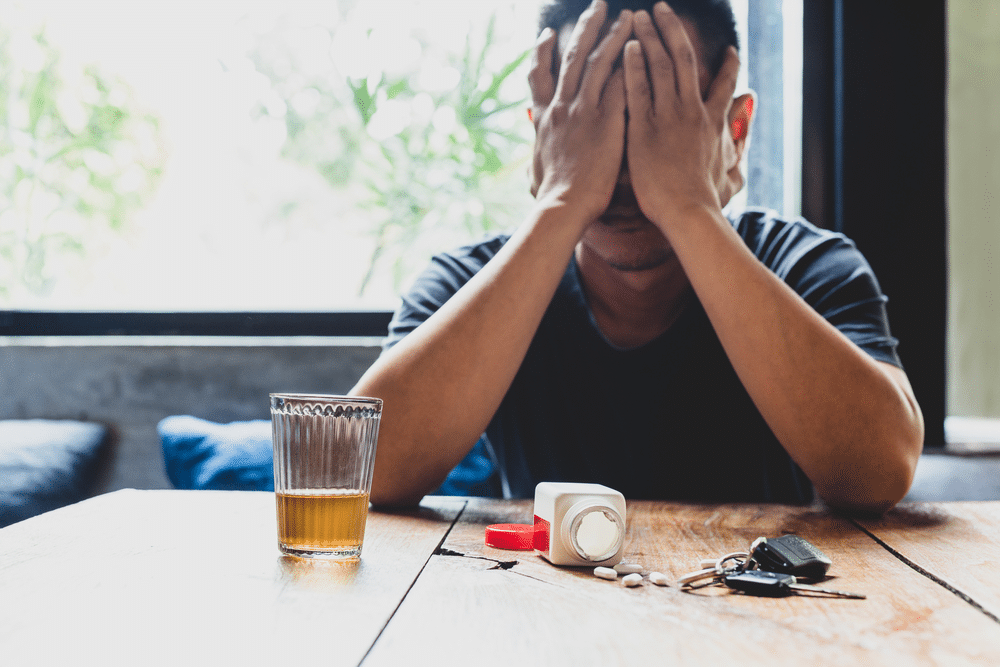
Family therapy can be uncomfortable, but it’s often the turning point. A good addiction treatment center will invite loved ones into the process without shaming anyone. The focus is on boundaries and communication. You will talk about “how we fight,” not just “how much do you drink.” In my experience, couples regain the most ground when they learn to spot old arguments early and switch to a plan you both agreed on in session.
Sign 4: Work performance drops, and you’re taking risks you wouldn’t sober
Alcohol problems rarely stay confined to evenings. Missed meetings, slow mornings, and an inbox that keeps ballooning are common early flags. Later, there may be safety issues: driving after “just a few,” using alcohol to steady your nerves before a sales call, or drinking discreetly on a job site.
Legal and professional consequences can pile up fast. It’s tempting to wait until the next review cycle or until a license is at risk, but earlier disclosure to HR, with a treatment plan in hand, often leads to formal support rather than discipline. Port St. Lucie employers vary, but many will work with leave-of-absence requests linked to verified treatment. Programs familiar with workplace needs will provide documentation and a return-to-work plan with drug and alcohol testing, if required, that protects confidentiality.
Sign 5: Health markers are trending the wrong way
Your body logs the bill for alcohol quietly at first. Lab work may show elevated liver enzymes, especially GGT and ALT. Blood pressure creeps up. Sleep quality falls apart. Reflux becomes a regular visitor. Skin and eye changes appear. Primary care clinicians in St. Lucie County see these patterns daily and are often the first to suggest cutting back.
If you’ve looked at your labs, nodded, and then kept drinking because it feels impossible to stop, that is not a sign of apathy. It is a sign that a medical condition is steering your behavior. Alcohol rehab addresses both sides: the physical recovery and the behavioral strategies to keep it going. Many programs coordinate with your primary care provider or specialist so you aren’t managing conflicting advice.
Sign 6: You’ve tried to quit alone more than once, and each time the return is faster and heavier
People often describe a cycle: a few days off, then one drink, then a week later they’re back to previous levels or beyond. This is called the abstinence violation effect, and it hits hard if you believe a single slip means failure. The other culprit is tolerance. After a short break, your tolerance drops, but cravings and cues remain, which can lead to overconsumption and higher risk.
Structured support breaks this loop by giving you a plan for the first 30 days and beyond, not just the detox. In the Treasure Coast area, some providers integrate contingency management and skills training so that you have immediate, practical steps for the toughest windows: late afternoon, payday, celebrations, and arguments. You also learn how to reframe a slip quickly and safely, with actions drug rehab Port St. Lucie you can take within the hour that reduce harm rather than escalate it.
Sign 7: Alcohol is narrowing your life
This one is subjective, but powerful. Maybe fishing on the St. Lucie River used to be a way to decompress; now it’s just a setting for more drinks. Maybe Sunday dinners fell away because you’d rather not answer questions. If your world has shrunk to the point that alcohol determines your hobbies, your friends, and your calendar, it’s time.
Recovery widens life again. You do more, not less. Programs that understand Port St. Lucie culture and pace will help you rebuild routines you actually want. Think morning walks when the air is still cool, volunteering at a weekend event, or joining a sober activity group so you practice enjoyment without alcohol, not just avoidance.

What to expect from professional alcohol rehab
Rehab is not punishment. It’s a structured pause where you get medical support, real conversations, and a plan that continues after you walk out. In this region, a full-spectrum addiction treatment center offers three pillars: stabilization, therapy, and aftercare.
Stabilization includes medical evaluation, detox if needed, and sleep restoration. You might be surprised how much changes when you finally sleep through the night without waking soaked or panicked. Appetite returns. Decision-making gets easier.
Therapy is the core. Modalities you’re likely to encounter include cognitive behavioral therapy, motivational interviewing, trauma-informed care, and sometimes EMDR if there is a trauma history. Group therapy teaches you to say difficult things out loud and hear them echoed by people who get it. Individual sessions target your specific triggers, which may be boredom, resentment, social anxiety, or grief.
For some, medication-assisted treatment has a role. Naltrexone can reduce craving and the rewarding effects of alcohol for many people. Acamprosate supports early abstinence. Disulfiram is used less often because it requires strict adherence, but for the right person with good structure, it can add accountability. A good clinician will explain the pros and cons without pressure.
Aftercare is how you don’t lose gains once the schedule lightens. Expect a plan that includes ongoing therapy, peer support options, relapse prevention strategies, and a crisis script. The crisis script is important. It might be as simple as three steps you take if you feel a binge coming: call a specific person, change location, use a coping skill you rehearsed, and schedule an urgent session.
Finding the right fit in Port St. Lucie
Not every program will be your program. Here’s a short checklist to help you evaluate options without getting lost in marketing claims.
- Medical coverage and safety: Is there 24/7 nursing during detox? How are seizures or severe withdrawal handled? Can they coordinate with your primary care or specialist? Individualization: Will you get a personalized plan with clear goals, or will you be placed into a rigid track? Ask how plans change when progress stalls. Co-occurring care: Do they treat anxiety, depression, or PTSD alongside alcohol use? Are medications managed in-house? Family involvement: Are family sessions available and structured? Do they offer education for loved ones? Continuum and aftercare: Can you step down to IOP or outpatient within the same system? What does aftercare look like 30 and 90 days out?
If a program can answer these with specifics, you are on better footing. Many centers in the area are comfortable discussing insurance and payment early, which reduces stress. Transparency here is a good sign.
What change looks like in the first 90 days
The early phase of recovery is not a straight line. You will likely feel a lift in energy during week two as sleep normalizes, followed by a discomfort around week three when the novelty wears off and life feels strangely quiet. That is where structure matters.
Clients who do well in Port St. Lucie tend to anchor their week with a few predictable touchpoints: work or volunteering, movement outdoors, one group meeting, one individual session, and a non-alcohol social event. It isn’t glamorous. It’s consistent. If you are in an IOP, that structure is largely built in. As you step down, you’ll build it yourself with your therapist’s help.
Cravings ebb and flow. They peak around predictable times, often in the late afternoon or after an emotional spike. You can plan for that. Keep a short list of actions that reliably cut intensity within ten minutes: a brisk walk, a cold shower, a brief breathing exercise, a call to someone who won’t debate you, or a snack that balances protein and carbs. It sounds basic because it is. Basic works when the nervous system is recalibrating.
If you’re helping a loved one
Watching someone you care about drift into alcohol dependence is exhausting. The instinct is to lecture or lay out the evidence. That usually backfires. Try a different approach: connect, then invite, then set a boundary. Connection might sound like, “I’ve noticed you’re not sleeping and you seem on edge in the mornings. I’m worried.” The invite is concrete: “I found an addiction treatment center in Port St. Lucie that can do a same-day assessment. I’ll go with you.” The boundary is about what you will do, not what they must do: “I won’t cover for missed work calls anymore, and I won’t ride in a car if you’ve been drinking.”
Most people need more than one conversation. Keep it brief and specific. If there is immediate risk, call for help. Safety trumps winning the argument.
Alcohol rehab vs. drug rehab: why the distinction matters less than you think
Search terms separate alcohol rehab and drug rehab, and many programs market both. Clinically, the overlap is significant. The assessment, medical stabilization, and therapeutic work draw from the same evidence base. What differs are withdrawal protocols, medication options, and certain relapse patterns. The upshot: if you see a drug rehab Port St. Lucie provider with strong medical and therapeutic services, they can likely handle alcohol treatment well. Ask about their volume of alcohol cases, their withdrawal management protocols, and their outcomes tracking.
Practical steps to take this week
Momentum is easier to build than to find. Here’s a short, realistic sequence if you’re on the fence.
- Schedule a confidential assessment with a local provider. If you’re hesitant, start with a phone screening. Ask about same-day or next-day options. Loop in your primary care clinician. Share recent labs and ask for a referral. Having your doctor in the loop improves safety and continuity. Prepare for detox if needed. Arrange coverage for two to five days. Pack simple comfort items and a list of medications. Plan a sober week. Remove alcohol from the house, set up evening activities that do not center on drinking, and collect two numbers you can call. Commit to one family or support conversation. Tell one person you trust what you’re doing and ask for a concrete favor, such as a ride or a check-in text.
None of these steps commits you to a lifetime identity. They open a door and give you the first footholds.
What progress really looks like
Progress in addiction treatment is less about never thinking of a drink and more about widening the gap between an urge and an action. On day one, that gap might be seconds. Over weeks, with practice and support, it becomes minutes, then hours, then a shrug. Along the way you rebuild the parts of life that alcohol squeezed out: morning clarity, stable sleep, unhurried conversations, hobbies that don’t require a buzz to feel enjoyable.
People in Port St. Lucie often mention the small pleasures first. Watching a sunrise over the river without a pounding head. Remembering a whole conversation. Making it through a Friday without the itch to drink by dinner. Those are not minor wins. They are the building blocks of a life that doesn’t need alcohol to feel bearable or fun.
If any of the seven signs resonated, that’s your dashboard light. You don’t need to wait for a breakdown. An effective addiction treatment center in this community can help you stabilize, understand the drivers behind the drinking, and build a plan that fits the reality of your life, not an ideal version. With the right support, you can change course and keep changing, one practical step at a time.
Behavioral Health Centers 1405 Goldtree Dr, Port St. Lucie, FL 34952 (772) 732-6629 7PM4+V2 Port St. Lucie, Florida